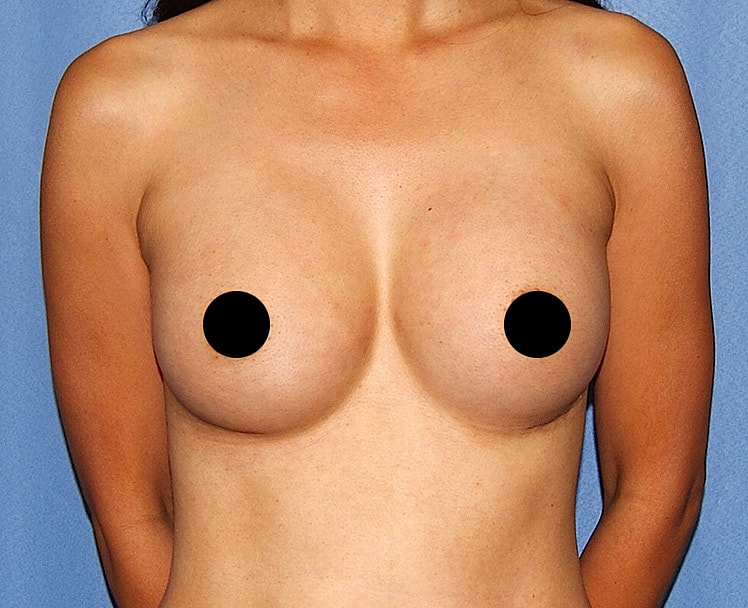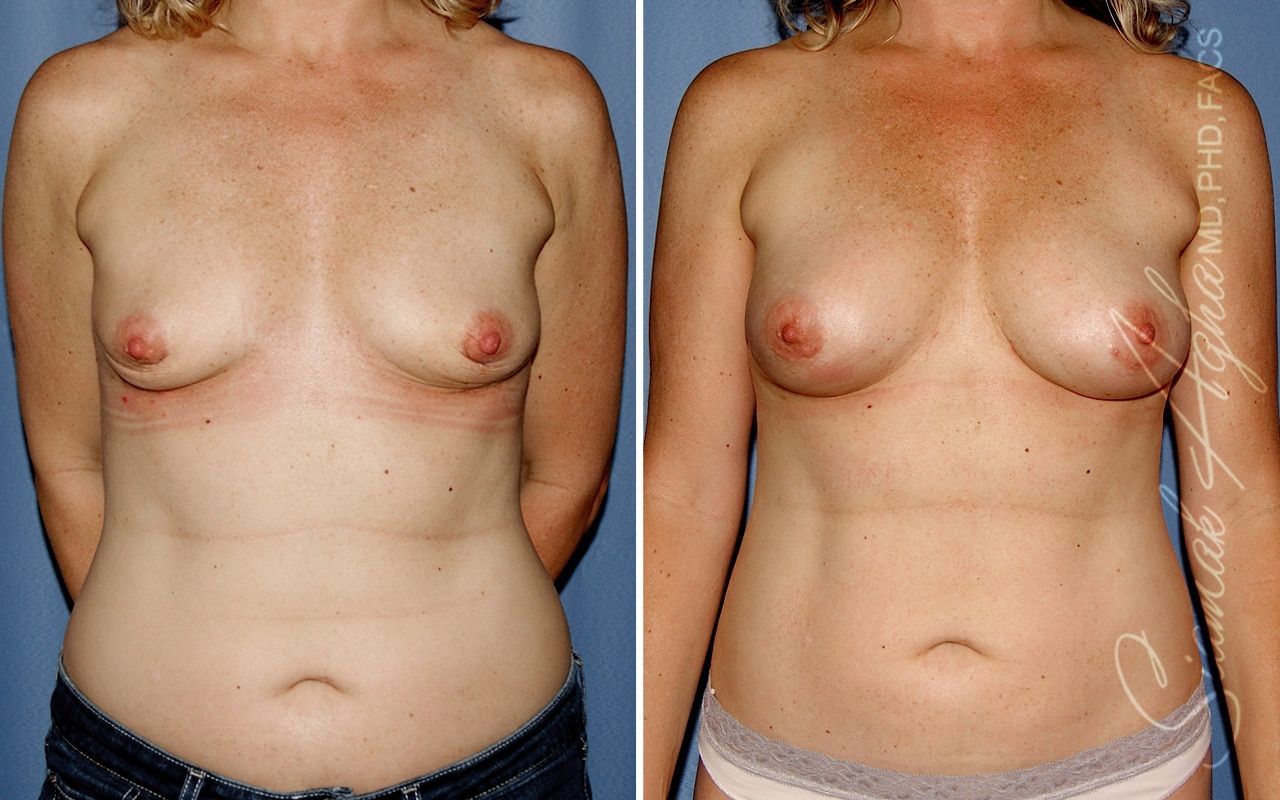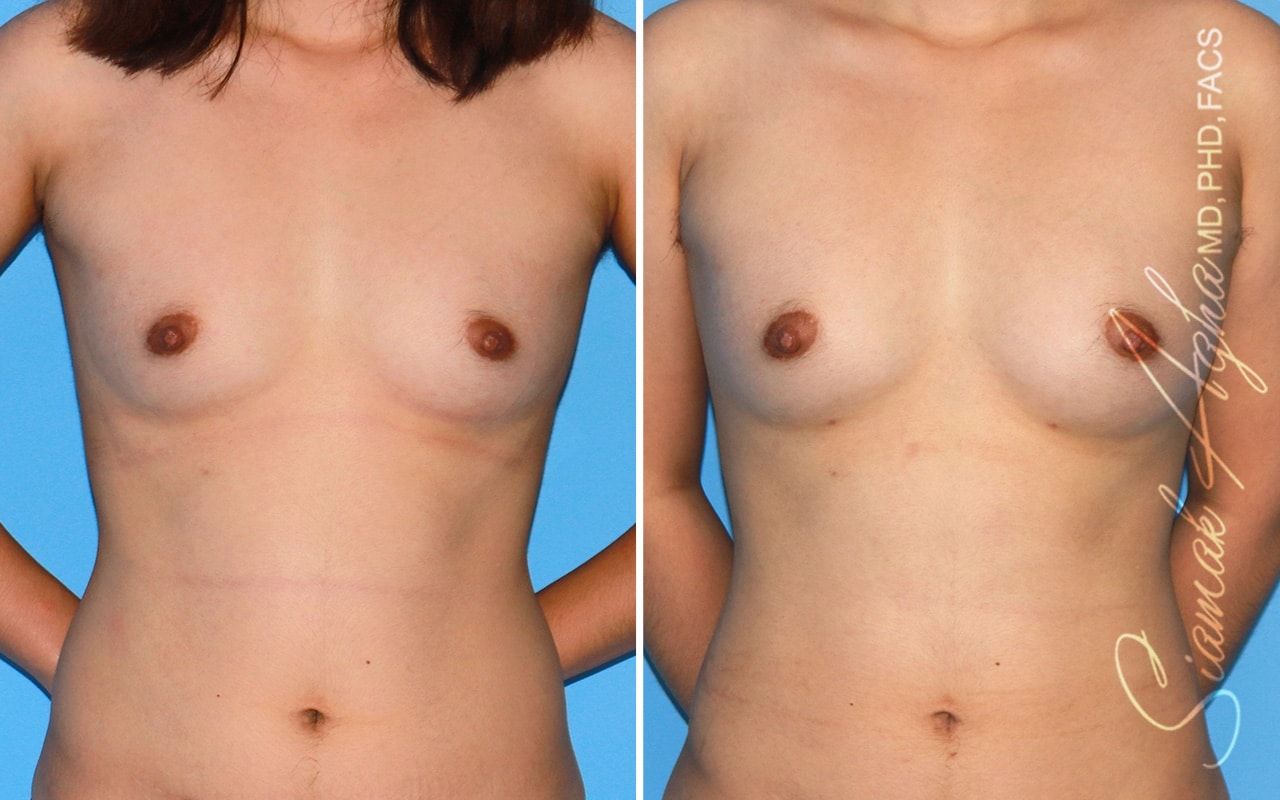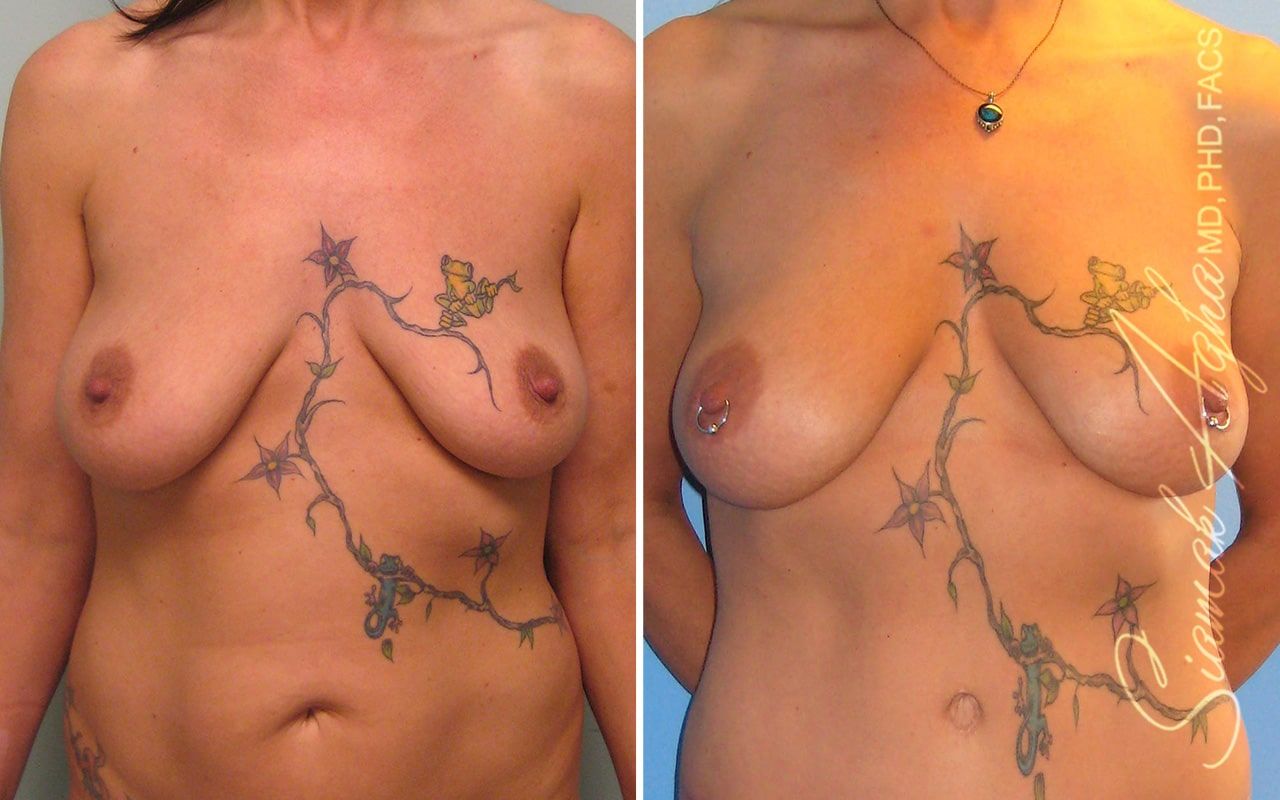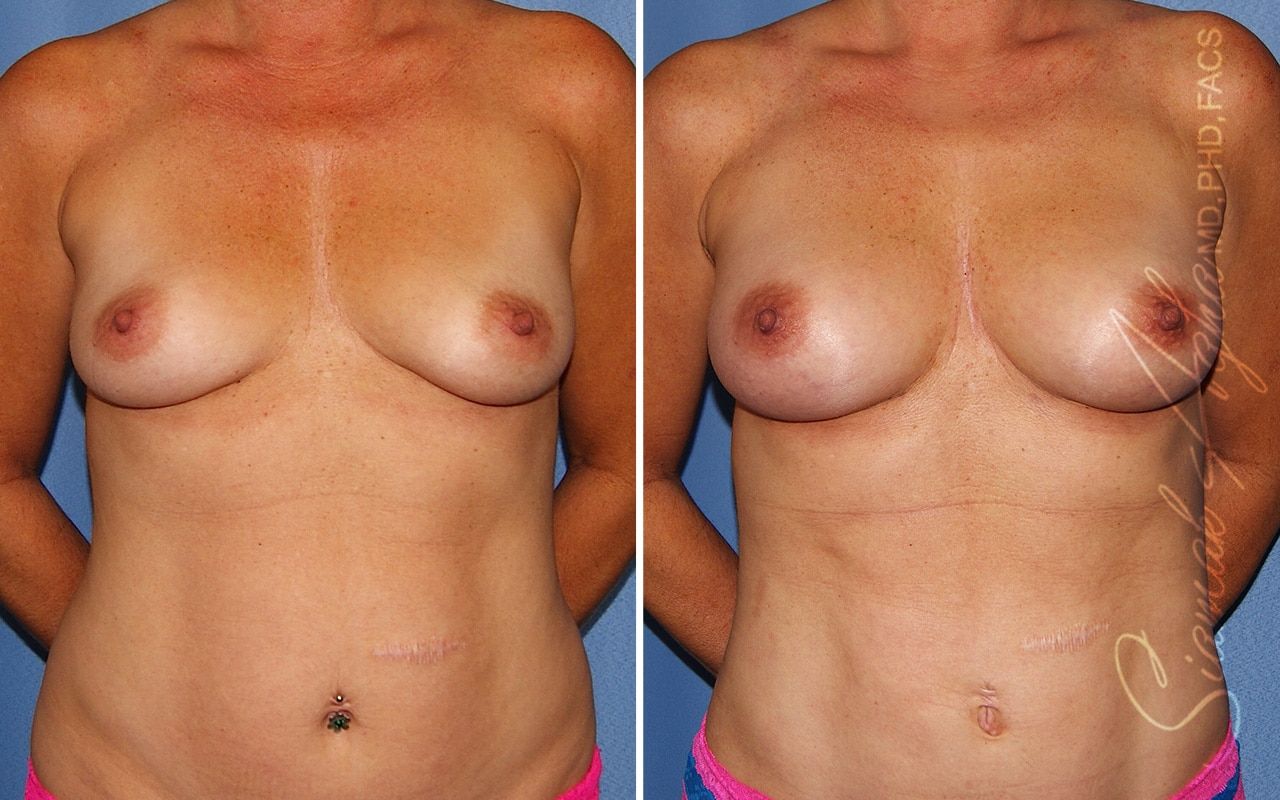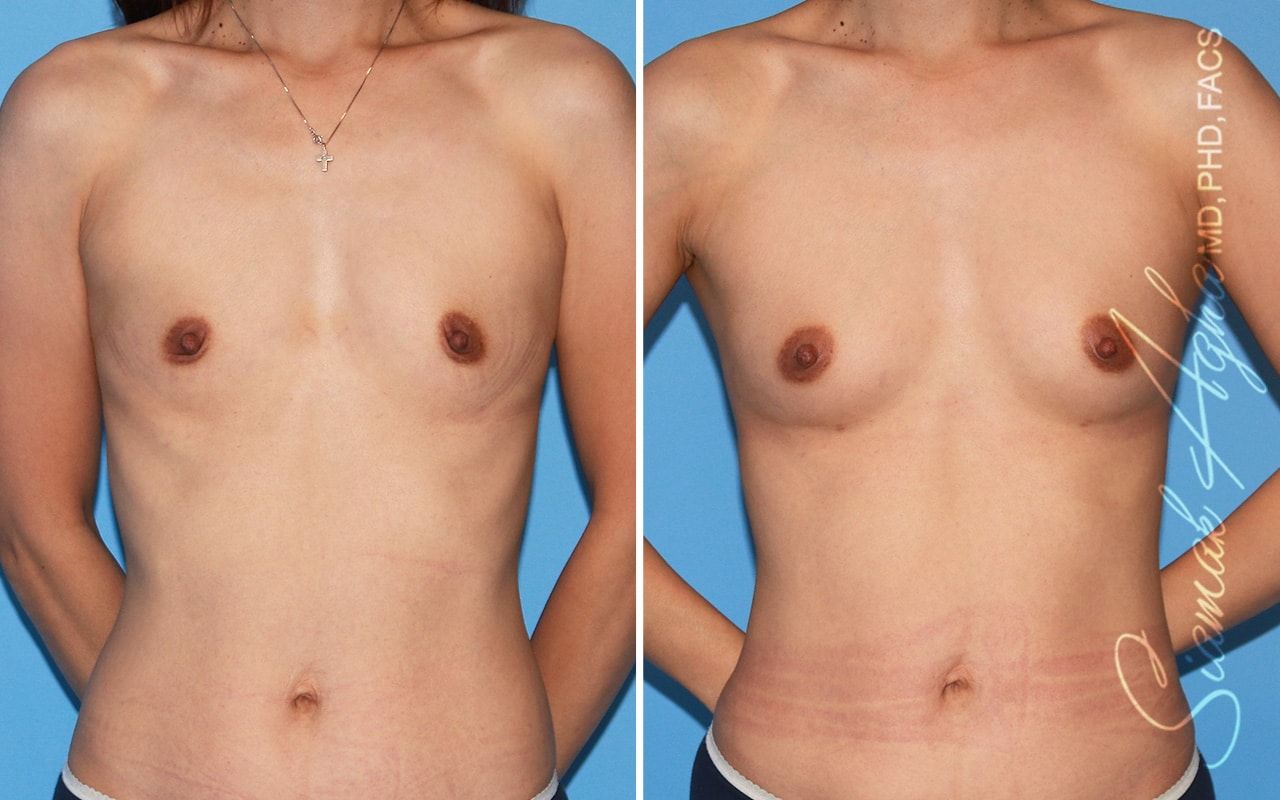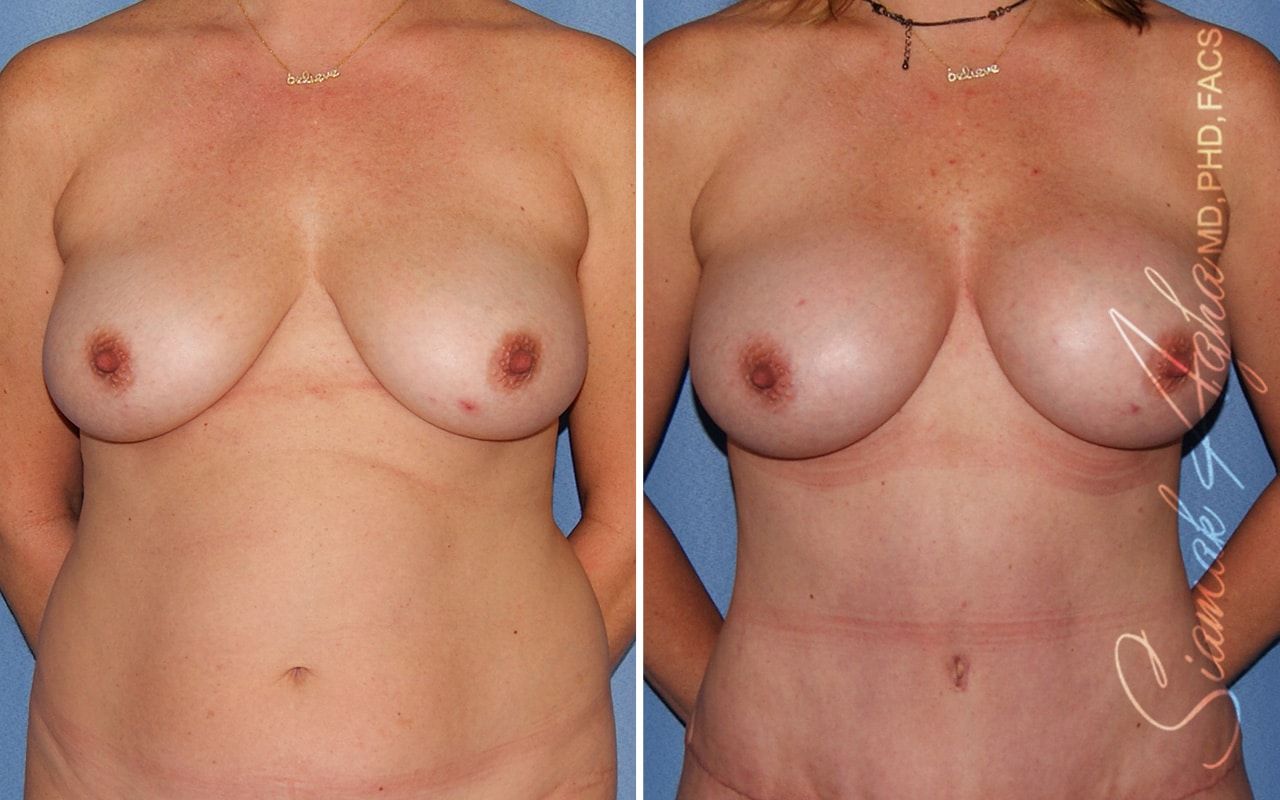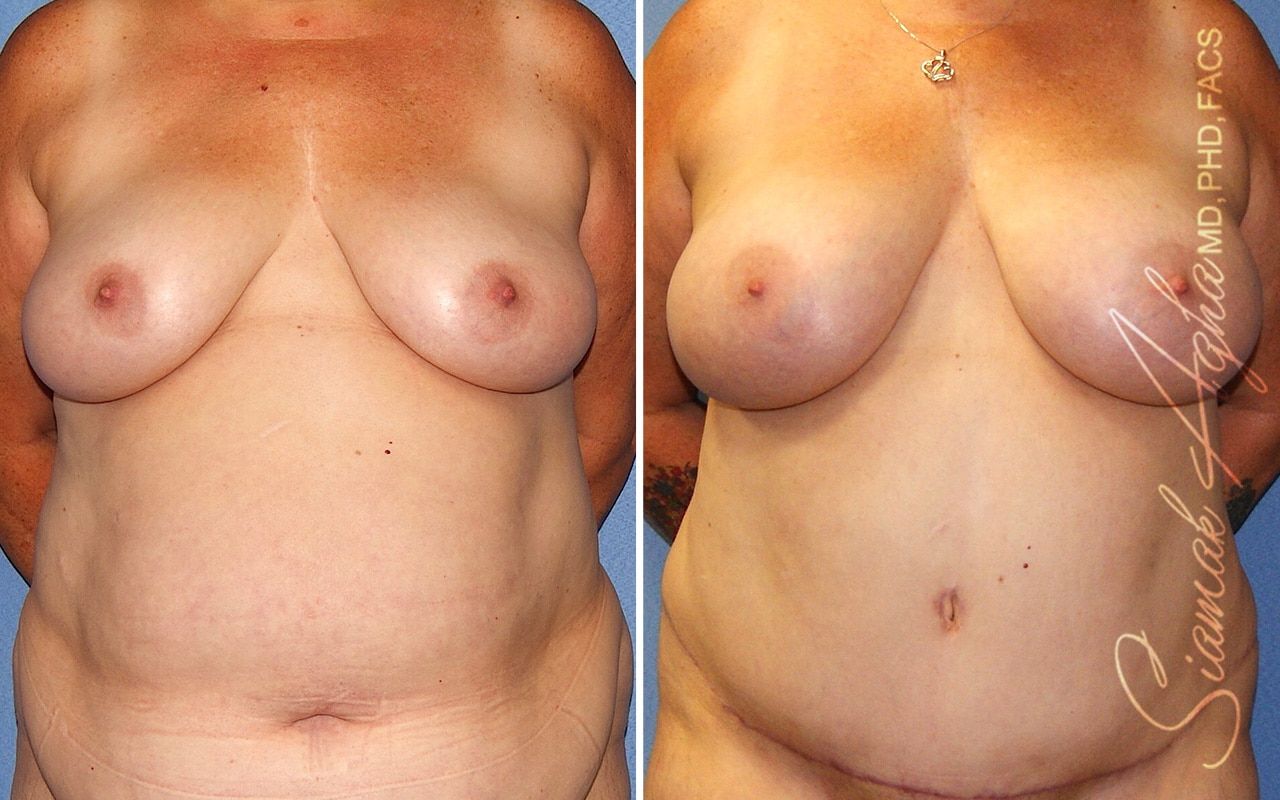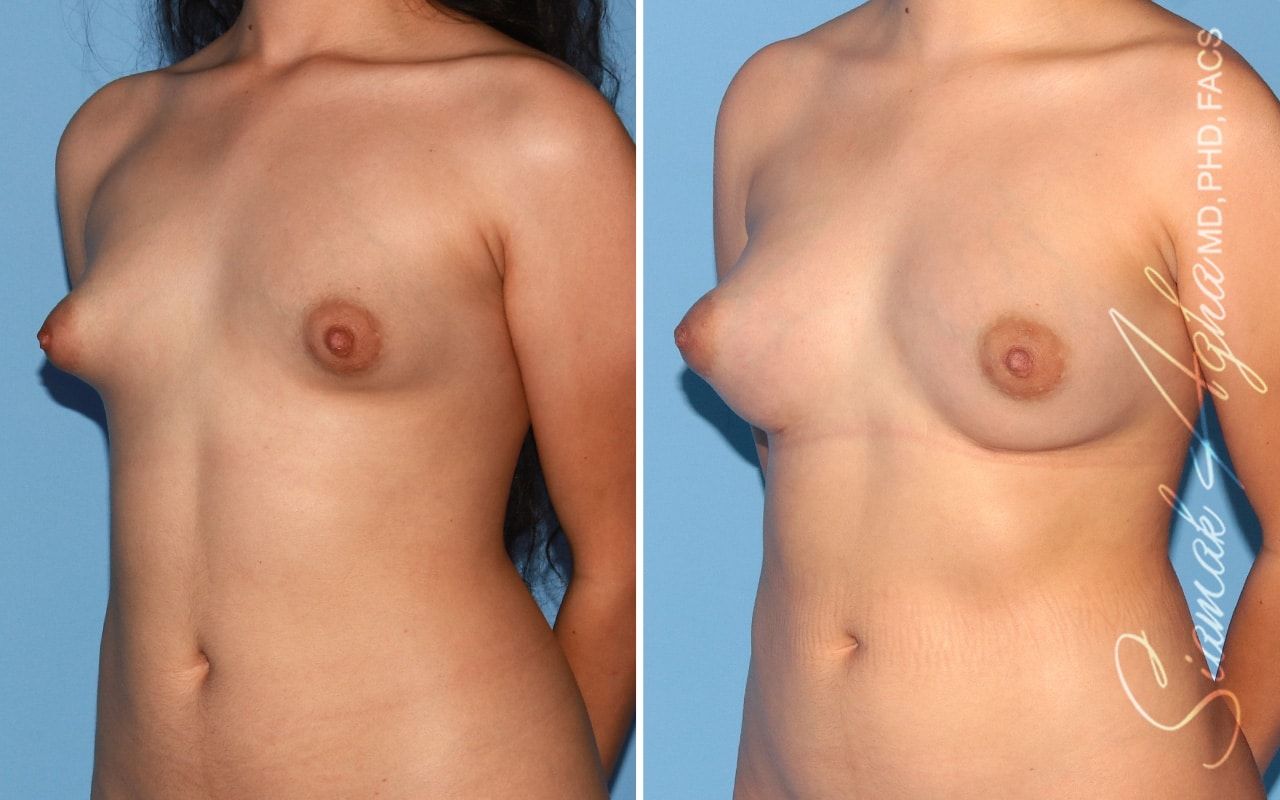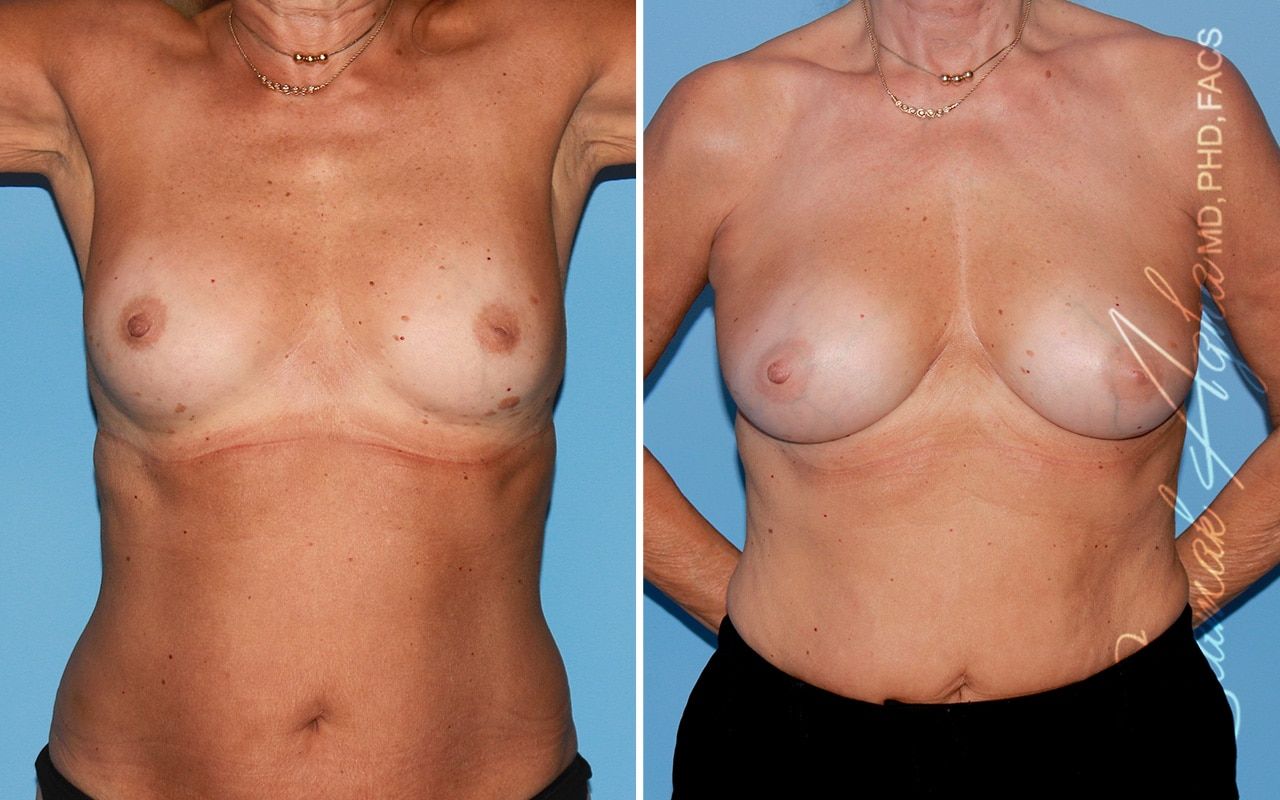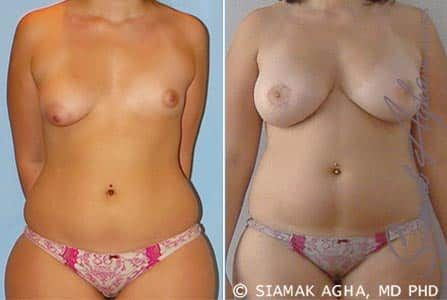


What if the secret to fuller, more beautifully contoured breasts was already part of your body? Breast fat transfer is redefining breast enhancement by offering a natural alternative to implants—using your own fat to create soft, subtle volume exactly where you want it. By combining liposuction with advanced fat grafting techniques, this innovative procedure sculpts unwanted fullness from areas like the abdomen or thighs and transfers it to the breasts, delivering a refined, balanced silhouette. The result is an enhancement that looks and feels authentically you, making breast fat transfer one of the most sought-after options for women seeking natural beauty without compromise.
Breast fat transfer has been around for decades, but it became widely popular in the United States during the 2010s, particularly between 2013 and 2020. At Newport Beach, Dr. Siamak Agha, one of SoCal’s top board-certified plastic surgeons, has been performing breast, face, and buttocks fat transfer since 2007 and has closely followed the science of fat transfer. As a scientists with a PhD in Molecular Biology, he has been advancing the science of fat cell harvest, purification and transfer since then.
Continue reading this page to learn more about this natural way of breast augmentation.
1 of 10
Many procedures have standardized techniques. But when it comes to breast fat transfer, there is no recommended or standardized method, and every plastic surgeon uses his or her own technique.
Successful, permanent breast fat transfer is a technique-dependent procedure. That means that every detail and step used to harvest, purify, and transfer the fat is important in the survival of the fat cells, ultimately resulting in the permanency of the enhancement.
Thus, to achieve the natural-looking breast contour that you desire, you need to choose a highly skilled and experienced plastic surgeon who has already developed his unique and proven process for breast fat transfer.
As a scientist with a Ph.D. in Molecular Biology and Fat Cell Research from Cambridge University, Dr. Agha has spent many years determining the best conditions for fat cell retrieval, processing, and transfer.
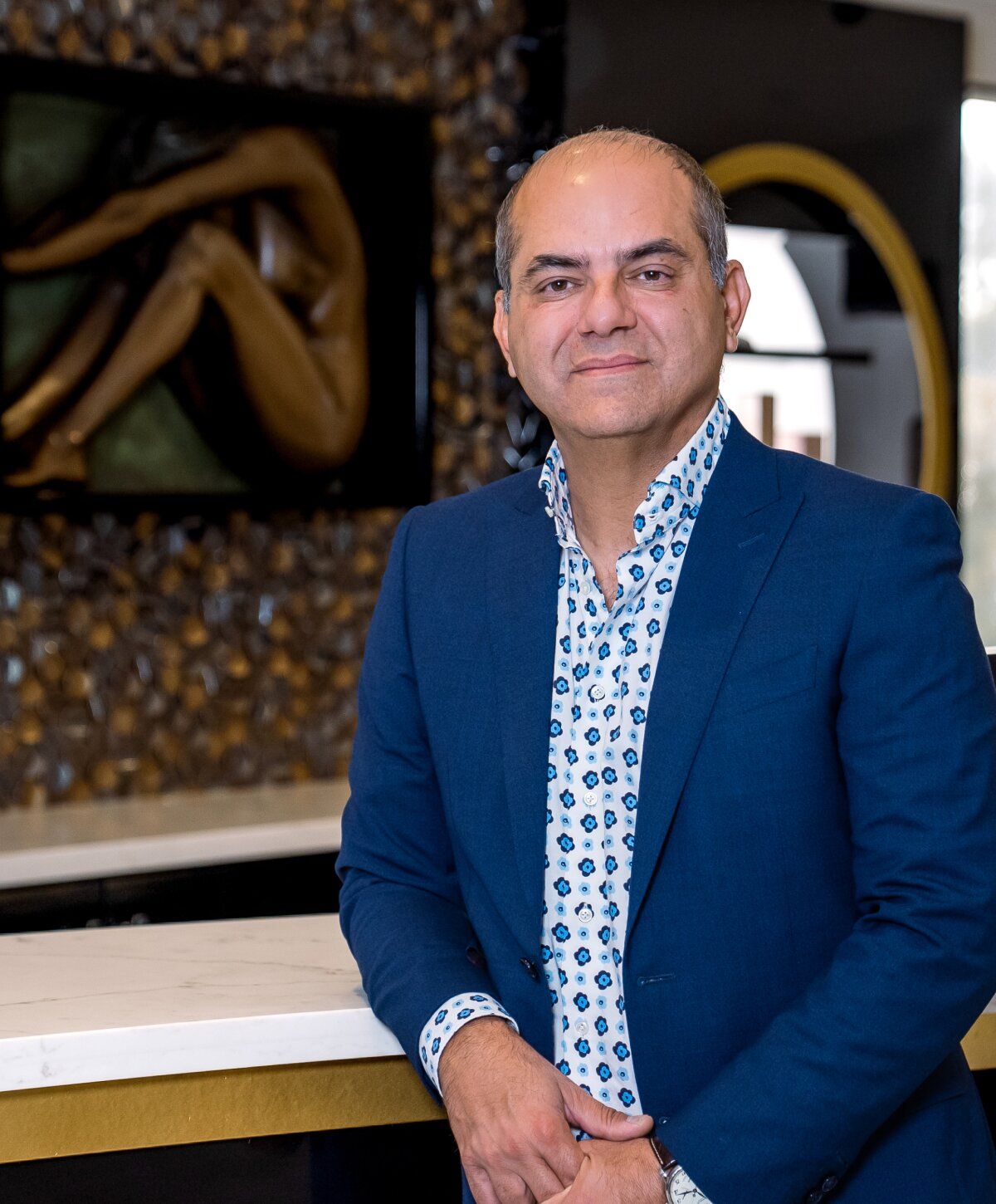
The fact that Dr. Agha has been performing breast fat transfer at Newport Beach since 2007 has allowed him to perfect his technique. Here are the unique things that Dr. Agha does in his signature breast fat transfer:
Combine Dr. Agha’s invaluable experience and aesthetic eye with his years of training at Cambridge University, and you get a board-certified plastic surgeon who definitely knows breast fat transfer inside and out.
Breast fat transfer, also known as breast lipoaugmentation, is a natural breast enhancement procedure that uses your body's own fat to increase breast volume and improve breast shape. Because the breast is composed primarily of glandular tissue and fat, increasing the amount of breast fat can create fuller, more naturally contoured breasts without the use of implants.
The procedure involves two key steps:
Liposuction: The first step is harvesting excess fat from areas of the body where it is unwanted, such as the abdomen, flanks, waist, thighs, or hips. Using specialized liposuction techniques, Dr. Agha carefully removes fat cells while preserving their viability. The harvested fat is then purified and processed to isolate the healthiest fat cells for transfer.
Breast Shaping and Augmentation with Fat Transfer: Once purified, the fat is meticulously injected into multiple layers of the breast using specialized blunt cannulas. By strategically placing small amounts of fat throughout the breast tissue, Dr. Agha can enhance volume, improve shape, and create smooth, natural-looking contours. This artistic layering technique

The concept of using a patient's own fat to enhance and reshape the breasts is not new. Plastic surgeons have been exploring autologous fat grafting for more than a century. However, widespread acceptance of breast fat transfer did not occur until advances in fat harvesting, processing, and injection techniques made outcomes more predictable and reliable.
In 2012, the American Society of Plastic Surgeons recognized the growing body of scientific evidence supporting fat grafting to the breast, noting its ability to safely produce natural-looking results for both breast augmentation and breast reconstruction patients.
Today, breast fat transfer has become one of the most sought-after alternatives to breast implants for women seeking subtle to moderate breast enhancement. In the hands of an experienced surgeon, a single procedure can often increase breast size by approximately one cup size while maintaining a soft, natural appearance and feel.
As one of the early adopters of breast fat transfer, Dr. Agha has been performing these procedures in Newport Beach since 2007. Through years of clinical experience and innovation, he has refined his own scientific approach to fat grafting, helping patients achieve long-lasting breast enhancement with natural, harmonious results.

One of the most common questions women ask about breast fat transfer is: How much larger can my breasts become?
The answer depends less on how much fat can be injected and more on how much fat your breasts can successfully support. While there is no strict limit to the amount of fat that can be transferred, the survival of the transferred fat cells relies on an adequate blood supply and sufficient existing breast tissue.
Transferred fat cells thrive when they are surrounded by healthy breast fat and tissue. For this reason, Dr. Agha strategically places the fat beneath the breast skin and within the breast's natural fatty layer, where it has the best chance of establishing a lasting blood supply.
In Dr. Agha's experience, the amount of fat that can be successfully transferred is closely related to the size of the existing breast. Generally, the volume of transferred fat should be proportional to the amount of native breast tissue. For example, women with A-cup breasts can often achieve an increase of approximately one cup size in a single procedure. Those with B-cup breasts may be candidates for an increase of up to 1½ cup sizes, while women with larger C-cup breasts can typically accommodate even greater volumes of fat.
For patients seeking a more dramatic transformation—such as increasing from an A cup to a D cup—multiple fat transfer sessions may be required to gradually build volume while maintaining optimal fat survival. In these cases, two or three procedures may be necessary to achieve the desired result.
If your goal is a significant increase in breast size with a single surgery, breast implants may be a more suitable option. Fat transfer, on the other hand, is ideal for women seeking natural-looking enhancement, improved breast shape, and modest-to-moderate increases in volume using their own tissue.


Breast fat transfer is a highly specialized procedure that combines advanced liposuction with precise fat grafting techniques to create fuller, natural-looking breasts. Because the long-term success of fat transfer depends on the survival of the transferred fat cells, the outcome is heavily influenced by your surgeon's experience, harvesting methods, and injection techniques.
Dr. Agha has refined his approach to maximize fat survival, enhance breast shape, and achieve long-lasting results.
Preparation for breast fat transfer is similar to that of other breast enhancement procedures. During your consultation, Dr. Agha will evaluate your breast anatomy, assess available donor fat, discuss your goals, and create a personalized surgical plan designed to achieve the most natural outcome possible.
Breast fat transfer is performed under general anesthesia administered by a board-certified anesthesiologist. This ensures your comfort and safety throughout the procedure.
Liposuction: Harvesting Healthy Fat Cells
The first stage of breast fat transfer involves carefully harvesting living fat cells from areas of the body where excess fat is present, such as the abdomen, flanks, waist, hips, or thighs.
Low-Pressure Tumescent Liposuction
Dr. Agha utilizes low-pressure tumescent liposuction, a technique specifically designed to preserve the viability of fat cells. Because the success of fat transfer depends on the survival of the harvested fat, protecting these delicate cells during removal is critical.
Unlike more aggressive liposuction technologies that may damage fat cells, low-pressure liposuction allows Dr. Agha to gently collect healthy adipocytes that are more likely to survive after transfer.
The procedure begins with the injection of a tumescent solution—a mixture of saline, local anesthetic, and epinephrine—into the donor area. This solution temporarily firms the fat, minimizes bleeding, reduces bruising, and makes fat removal safer and more efficient.
Small, discreet incisions measuring less than a quarter inch are then created to allow the insertion of specialized liposuction cannulas. Using carefully selected cannula sizes and gentle suction pressure, Dr. Agha methodically loosens and removes fat while minimizing trauma to the harvested cells.
Once collected, the fat undergoes a meticulous purification process. It is washed to remove excess fluid, blood, medications, and impurities before being carefully processed and prepared for transfer into the breasts.
Adequate Donor Fat Is Essential
To achieve optimal breast enhancement, patients must have sufficient donor fat available for harvesting. In many cases, approximately 1,000 mL or more of fat may be collected and processed to provide enough viable fat for transfer while accounting for the natural healing process.
Depending on the number of donor areas treated and the amount of fat required, the liposuction portion of the procedure typically takes between one and two hours.
The purified fat is then ready for the next stage of the procedure: precise breast sculpting through fat grafting.
Fat Transfer: Sculpting Natural Breast Volume
Once the harvested fat has been purified and prepared, it is transferred into small syringes and strategically injected into the breasts as tiny droplets, known as micrografts.
This micrografting technique is one of the most important factors in achieving long-lasting results. By distributing small amounts of fat throughout the breast tissue, the transferred fat cells are placed in close contact with healthy, well-vascularized tissue. This allows them to receive oxygen and nutrients while they establish their own blood supply, significantly improving fat survival and helping create a permanent enhancement.
To perform these precise microinjections, Dr. Agha uses specialized instruments and advanced fat grafting techniques that maximize blood supply to the transferred fat while carefully sculpting the desired breast shape.
For patients seeking breast enlargement, Dr. Agha distributes the fat evenly throughout all breast quadrants to create balanced, natural-looking volume. If one breast is smaller than the other, additional fat can be selectively transferred to improve symmetry and achieve a more harmonious result.
Understanding Fat Survival
Not all transferred fat cells will survive the healing process. A portion of the injected fat is naturally reabsorbed by the body during the first several weeks after surgery. To account for this expected loss, Dr. Agha strategically overcorrects the initial transfer, helping ensure that the final breast volume closely matches the patient's desired outcome.
Over the first 6 to 8 weeks, the surviving fat cells develop a new blood supply and become a living, permanent part of the breast. Once this process is complete, patients typically experience minimal long-term volume loss.
Breast Reshaping and Contouring
Breast fat transfer is not only an augmentation procedure—it is also a powerful contouring tool. By selectively placing fat in specific areas of the breast, Dr. Agha can enhance upper-pole fullness, improve breast roundness, correct asymmetries, and create a fuller, more youthful breast shape. This level of customization allows for results that look and feel exceptionally natural.
Following your procedure, the liposuctioned areas will be fitted with compression garments to minimize swelling, support healing, and optimize body contouring results. Small dressings or bandages may also be applied to the treatment areas.
Because breast fat transfer is typically performed on an outpatient basis in an accredited ambulatory surgical facility, most patients are able to return home approximately one hour after surgery. Detailed postoperative instructions will be provided to help ensure a smooth recovery and the best possible outcome.
Dr. Agha takes the time to know you as a person and fully understand your specific goals. He is a dear physician who communicates clearly and concisely.
— Lesley L.
Breast fat transfer offers a unique combination of breast enhancement and body contouring, allowing you to achieve a more balanced, feminine silhouette using your own natural tissue.
Benefits of breast fat transfer may include:
Because a portion of the transferred fat is naturally reabsorbed by the body during healing, some patients may choose a second fat grafting session to achieve additional volume or further refine their results.
While both breast implants and breast fat transfer can enhance breast size, they accomplish this goal in very different ways.
Breast implants are designed primarily to increase breast volume. Breast fat transfer, on the other hand, not only enhances size but also allows for precise sculpting of the breast shape and contour. Because the transferred fat becomes part of your natural breast tissue, Dr. Agha can selectively enhance specific areas of the breast to create customized results.
For example, breast fat transfer can be used to:
Unlike implants, which enlarge the entire breast uniformly, fat transfer allows for targeted enhancement of specific regions. This level of customization makes it an excellent option for patients seeking subtle, natural-looking improvements.
Breast fat transfer is particularly effective for correcting uneven breasts. Fat can be selectively added to a smaller breast, a narrower breast, or specific areas lacking volume to create improved symmetry while maintaining a soft, natural appearance.
One of the unique advantages of breast fat transfer is its versatility. In addition to enhancing breast volume, transferred fat can help camouflage minor chest wall irregularities, improve contour deficiencies, and address certain congenital breast or chest deformities. At the same time, liposuction slims areas such as the abdomen, flanks, waist, or thighs, further enhancing overall body proportions.
Fat transfer can also be performed alongside breast implants. In these cases, fat grafting may be used to soften implant edges, reduce visible rippling, improve cleavage, enhance contour, or correct residual asymmetry.
Because breast fat transfer uses your own tissue, it avoids many of the implant-specific concerns associated with breast augmentation, such as implant rupture, deflation, displacement, rippling, visibility, and capsular contracture.
Please read the general information on recovery after breast surgery and after liposuction.
Though it would take a few days for your recovery from liposuction, the actual breast fat transfer procedure causes minimal pain.
Expect to experience mild swelling and bruising of the liposuction sites for the first 7-10 days. Your breasts might also feel slightly sore from fat injections.
If you experience discomfort, you can take the oral pain meds that Dr. Agha would prescribe to you.
Do not sleep on your stomach while you’re recovering to avoid placing pressure on your breasts and ensure the viability of the transferred fat.
DO NOT apply ice to the breasts since this can damage the transferred fat cells.
To increase fat cell survival, you may consider 10 sessions of hyperbaric oxygen therapy. Let us know if you would be interested and we will recommend options.
Check out this estimated timeline of your breast fat transfer recovery:
|
Timeline |
Activity |
|
5-10 days |
Resume normal activities. |
|
1-2 weeks |
Return to work. Dressings removed. |
|
3 weeks |
Strenuous activities allowed. |
|
4-6 weeks |
Exercises and sex allowed. |
|
6 weeks |
Continue with compression garments. |
Breast fat transfer has been extensively studied for its safety, with the ASPS approving it as a breast augmentation option. However, it does pose some risks, like microcalcification, oily cyst formation, and the possibility that some of the transferred fat cells might die and become lumpy.
Learn about the risks involved in breast procedures in this article.
Since you’re essentially getting two procedures in one, breast fat transfer typically costs more than the usual breast augmentation with implants.
The total cost depends on a number of factors, such as the amount of fat liposuctioned, anesthesia, practice location, and the expertise of your plastic surgeon. You also need to take into account the medical tests, laboratory workups, and recovery costs. If you need multiple touch-ups, it would naturally cost more. Breast fat transfer is not typically covered by insurance. Dr. Agha offers financing plans to help you curb the cost of your surgery.
Please follow us @drsiamakagha to learn what makes Dr. Agha unique and special, learn from his educational podcasts and consults, and view precision surgery after surgery.